 Hindu Media Wiki
Notes on Varna/Jaati aka Caste System Topics in Hinduism
Some Notes
5 Answers
Welcome to HMW!
This site is for discussion about Hinduism.
You must have an account here to participate. Its free to use this site.
Suggested for you
Books based on Hinduism
Explore 101 Books You Must Read
Abhijnanasakuntalam of Kalidasa
Click here to Buy From Indic Brands
"Indic Brands" is a curated marketplace of remarkable brands that value and celebrate our cherished cultural heritage.
Related Posts
We do NOT offer personalized advice based on Astrology.
the biggest fake narrative is that = Deletes were denied education for 5000 yearsPeople don’t realise that the formal school based education we so take for granted didn’t exist anywhere in the world including today’s developed countries. It only became popular in Europe after
the Industrial Revolution when agricultural society needed to change to industrial society and required their workers to learn certain skills. Before couple of centuries ago the children learned the craft from their parents.Only Royalty could afford to send princess for formal
education and the Brahmin kids could join in because their parents were the teachers and repository of the knowledge. The reasons were economic rather than some kind of widespread conspiracy hatched by “ evil” Brahmins. If at there is a conspiracy, it’s by the colonial rule whose policy of “ divide& rule “ is still dividing the Indian mind!
There was no such thing like profession, ambition, upward social mobility, etc. in those days. Men naturally inherited their dad’s work.This increased their bonding with their dad, and other men of the community. Today,in the absence of natural inheritance,men have to compete
1/n
to prove their skills. One has to constantly be on the edge of something to make even a basic income.
Women now compete with other women to marry a man. In those days, marriages also happened easily within the same community as respective parents were decision makers. 2/n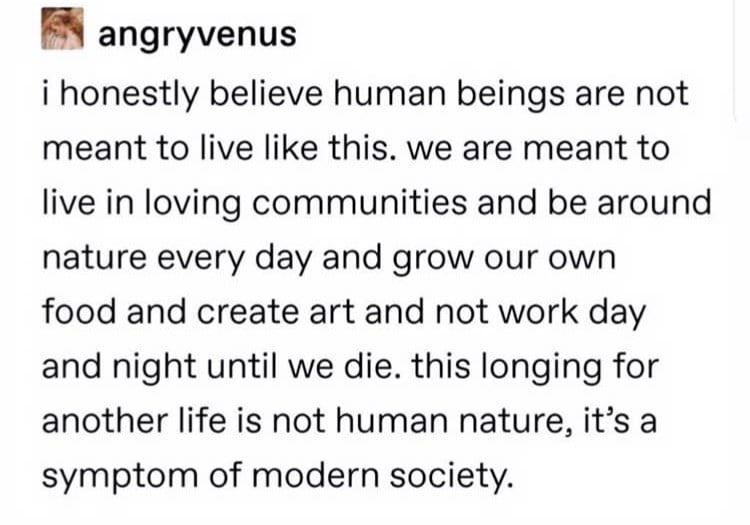
Ancient societies as communities were better for community building as compared to modern ones.They were not perfect . So not just Shudras, all ppl were chained to a profession and there maybe people who hated their profession of birth.Maybe there were Brahmins who
3/n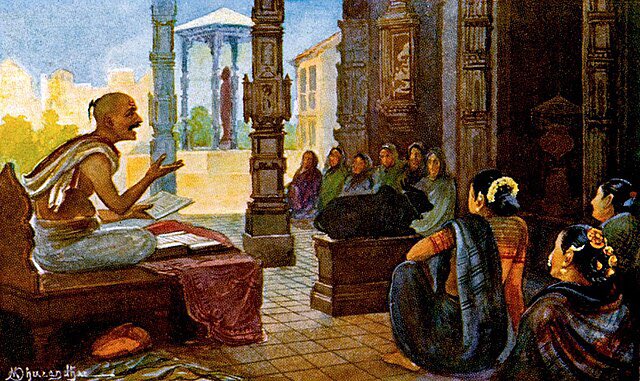
found study, research, nityakarma as boring. Or maybe a Kshatriya who found fighting with enemy as terrifying . And women who hated housework. Yet because ppl did not have to compete with each other for a career and stable personal life, the ancient society was better than 4/n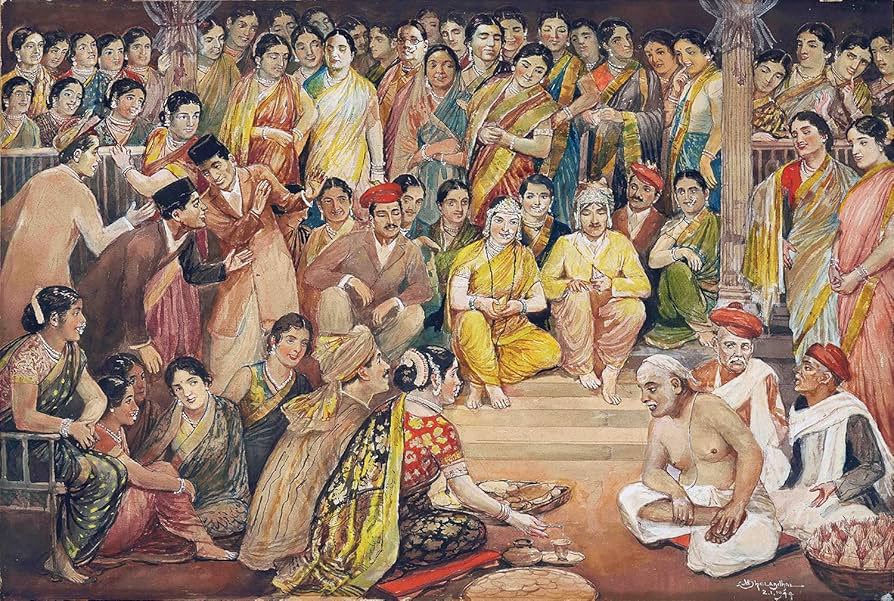
modern one. Today we have freedom but most of us miss being a part of community. We work way too much. We no longer work for the pure joy of it.
5/n
Is there any modern temple which has the intricate carving of ancient times? No. Such masterpieces are no longer possible as they require patience and a non-commercial higher level thinking which people have lost long ago.
6/n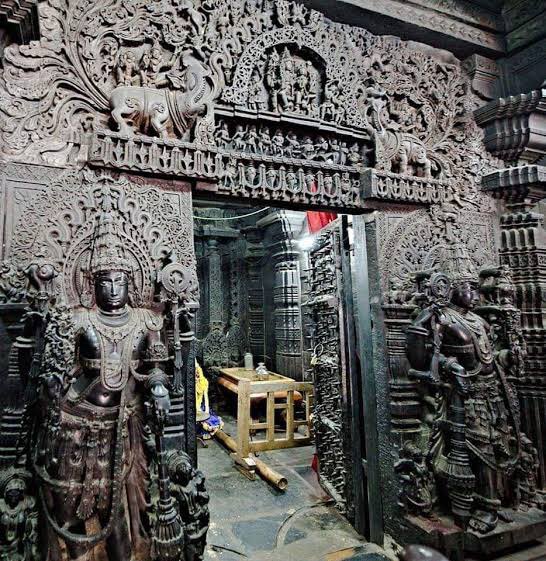
Women do not have time even for their children. In those days, women were happy and light hearted. They were even safe within their own community
7/n
Unfortunately today men and women are in a zero sum game. Everyday is just another day in the boxing ring. We had less freedom earlier yet quality of life was higher.Most ppl have too much freedom,money now yet life quality is empty or superficial.
8/8
Before the Brits came, people did the job out of joy and love and not out of ambition. Work was passed on from father to son.The workplace was the home itself or was nearby to the home. Just like women were homemakers,men were householders/grihasth & were present at home 1/2
while working. Most families had lunch and dinner together; people did not require a family time. Women had the companionship of many other women in a joint family and the joys of gossip, jolly games, festivals, cooking together were available everyday. 2/n
Regarding working purely for joy and not out of ambition, competition, etc. please read below article from dharma dispatch.3/3
https://t.co/CtwK8Bb1o0
Even Arjun couldn’t have become a sculptor or merchant if he wanted to. A prince’s primary responsibility was to learn rajdharm.Gurukuls taught only princes because the skills which were required by other castes like trade required by Vaishyas were taught in shrenis (guilds) 1/n
and sculpting/smithy/ etc. required by by Shudras were passed on from father to son.
Each craft had its traditions and trade secrets, shrenis were formed to protect the same, and fathers used to pass on the same to their sons, and so it continued through generations.
2/n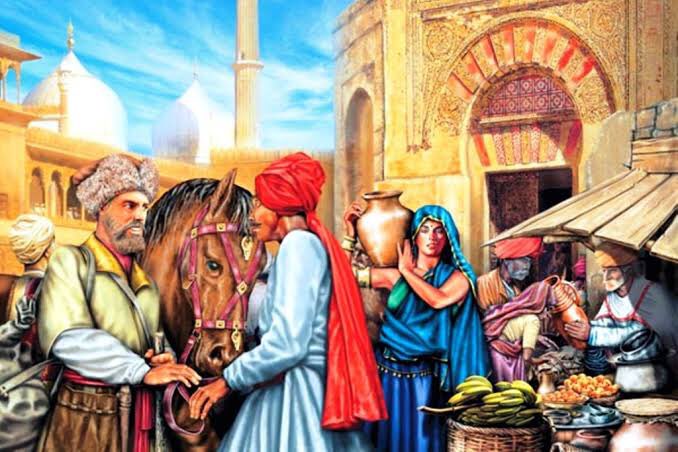
Women were excluded from becoming the members of the shreni, as their main duty was considered marriage & motherhood. This ensured early marriage of women as they didn’t have to engage in career. They learned feminine skills from their mother, sisters, aunts, grandmas, etc. 3/n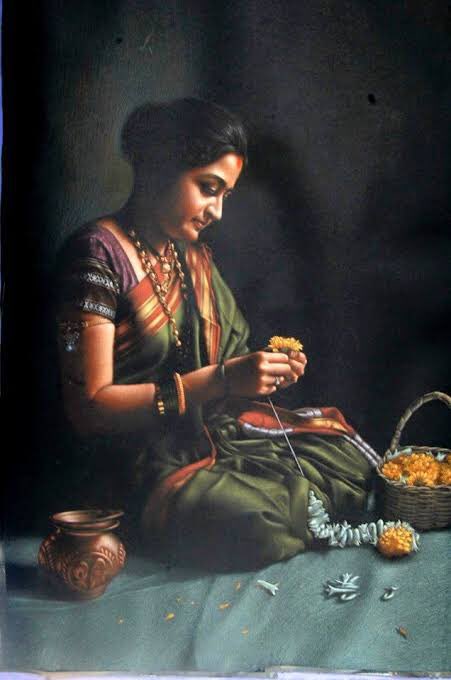
This ensured that there was no competition between members of different communities. Also members of same community lived like family . There was no market place for career or marriage . Every activity was based on dharma and not merely for money. So beautiful was our system.4/4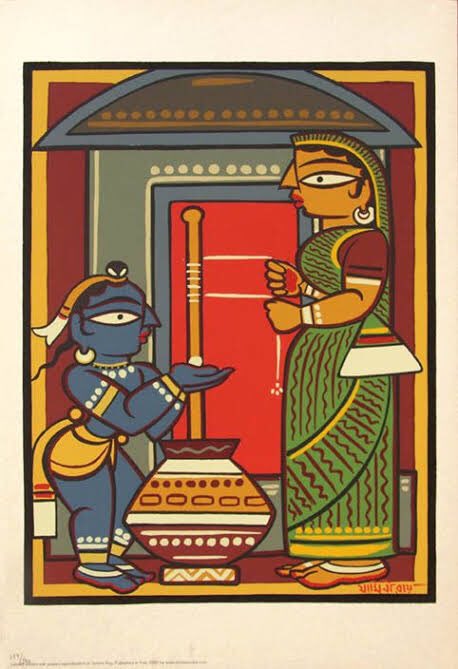
• • •
He is talking about the Manusmriti verses which says women should not be independent. Modern people hate these and similar verses yet today depression amongst women(and men too) is mainly because in the urban society, people are considered as islands unto themselves. 1/n
In traditional society, women were loved and respected as a member of the family and the community and she was not a lone warrior. Secondly, moral judgments and adherence to community rules and social norms were a higher priority than the individual goals and unrestrained 2/n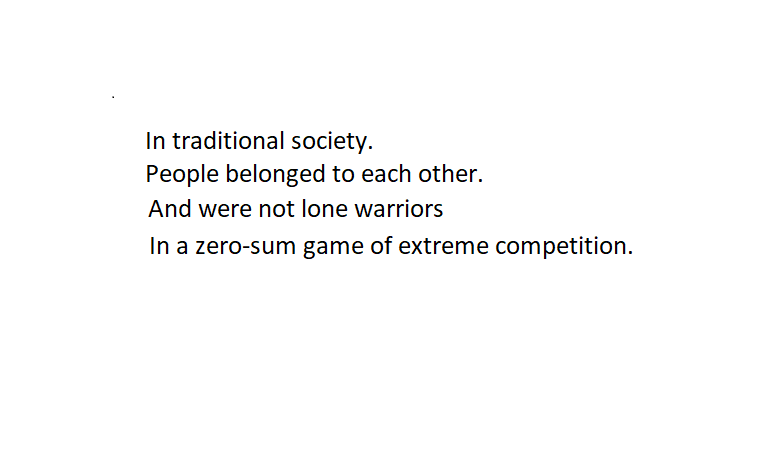
impulses. The issue in a dispute in traditional society was always focused on who is in the right in an objective sense; it is not merely based on the individual “doing what they want” or “getting their way.” The emphasis is not placed on “personal choice” and “rights” claimed3/n
by the person regardless of how their actions harm others. Thirdly there is strong community involvement in setting social expectations and enforcing moral codes of conduct.And not just women, even men had to follow many rules as they were the providers and protectors of the 4/n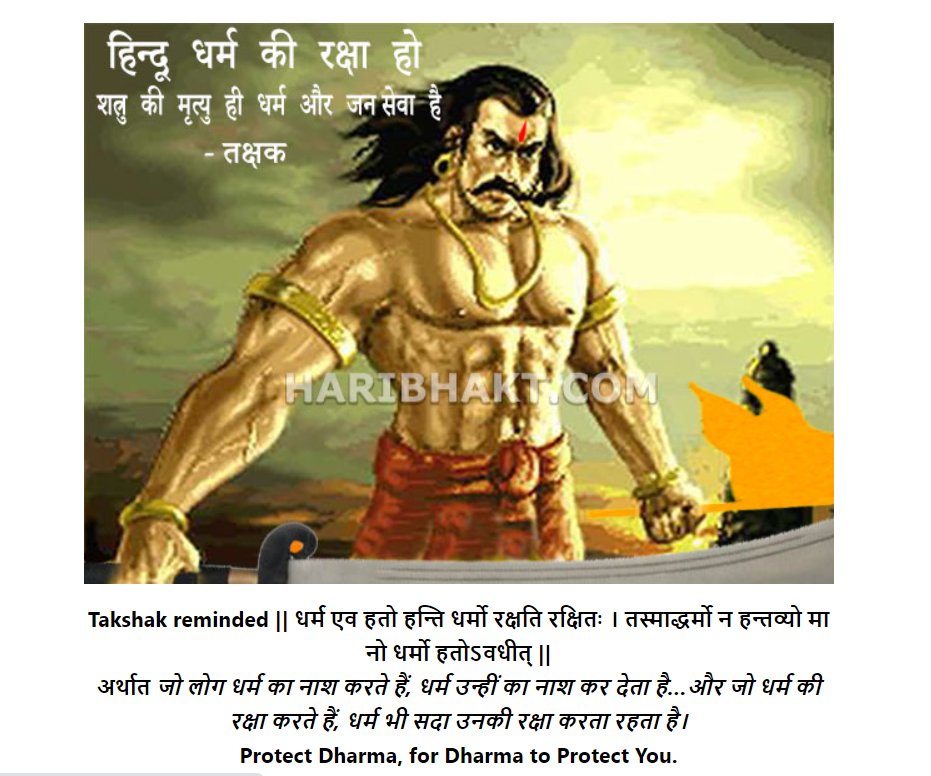
family which means doing hard work to earn money and sometimes even fighting with invaders, robbers, hooligans,to the extent of sacrificing his life to protect his people from criminals. In olden times, men protect women according to moral principles and community standards 5/n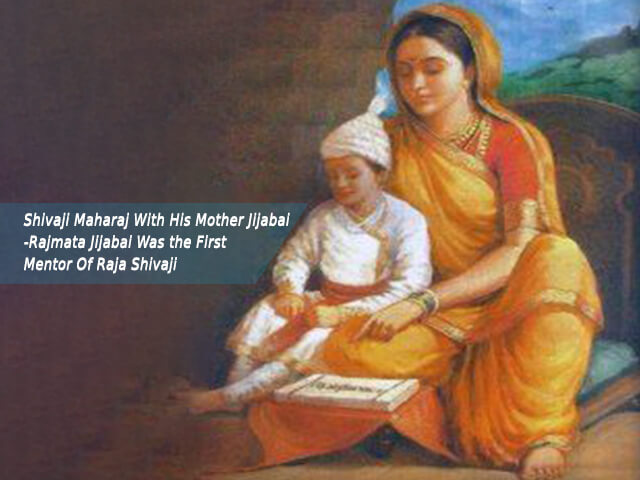
using several layers of male authority so that the system of protecting women will not break down just because an individual man goes rogue and turns abusive. Ancient men were very different from today's 'cool guys'. They had a code of conduct and cared for the honour and 6/n
dignity of their family and community. They did their best to pass on values to the next gen using stern discipline. Today men and women compete with each other for the same resources. Forget about protecting one's tribe , today's man may even kill people for some resource.7/n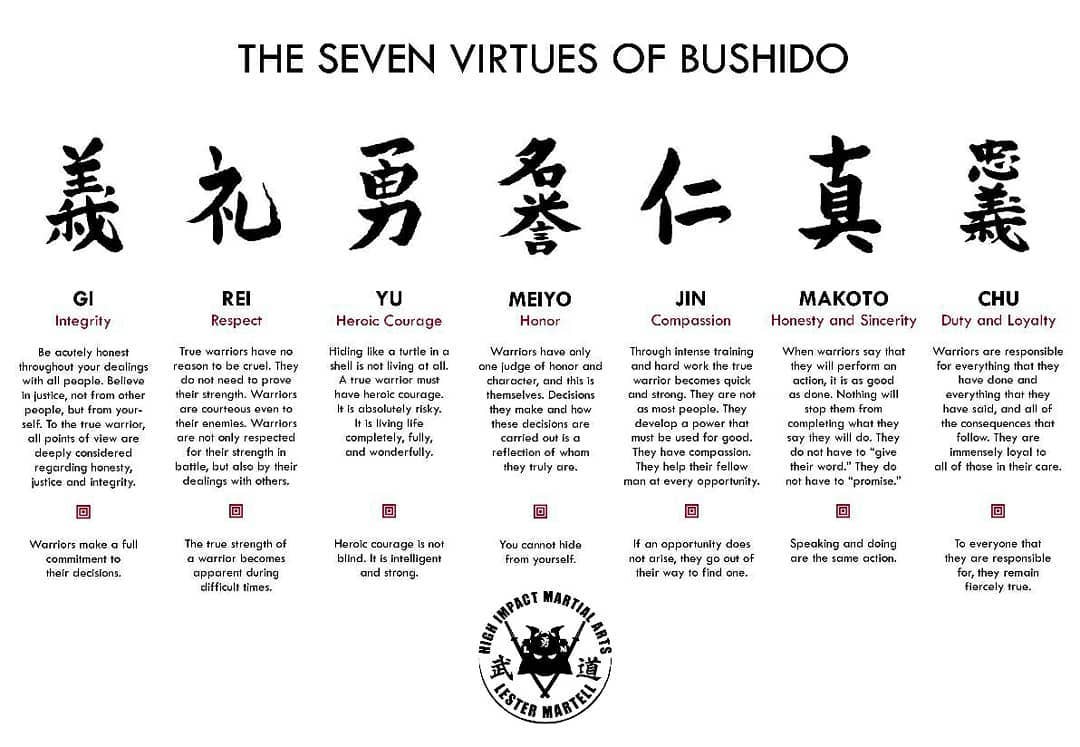
In ancient societies, men and women cooperated together as a part of family and community. Today man and woman are in a state of competition in a zero sum game where the benefit of one is the loss of the other and the two genders are supposed to compete “on an equal footing” 8/n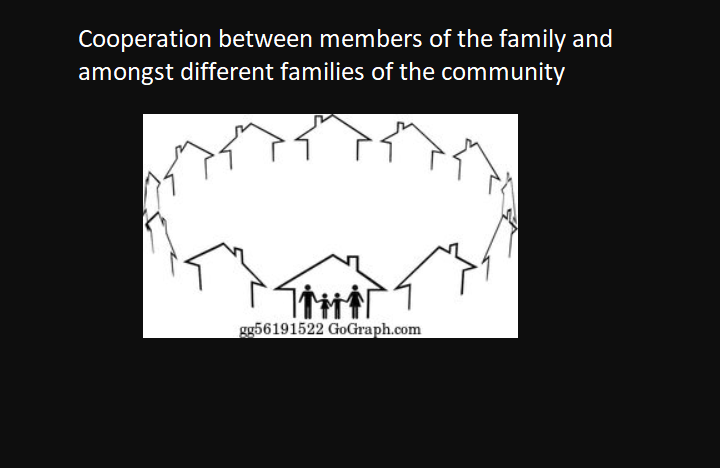
in order for things to be “fair and just”. Today's modern fiberals do not care about anything other than self-indulgence, there is nothing which they live for and no principle for which they would die. They practice pure hedonism, many a times at the expense of others. 9/n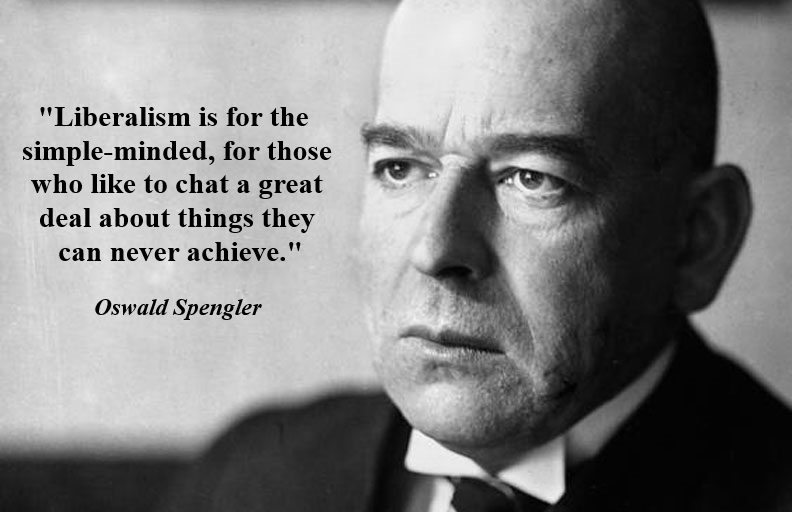
Yet they consider themselves better than their ancestors. They think they are some great tolerant people! Lol. Fiberals hate Manusmriti as it does not talk about pleasant stuff; rather it talks about duties and responsibility towards family & community, kingdom. 10/n
The ones who misinterpret the Manusmriti verses and use them for their own agenda are fiberals only who mostly care only about earning money rapaciously and having fun at the cost of values, social rules and moral behaviour. 11/n
And if any problem happens due to their debauchery, they blame the manusmriti instead of taking personal responsibility. So why burn the book just for attention? Is this not greed for fame? Blatant recklessness? Indeed it is.
There's no such thing like caste discrimination. This bogey was used to snatch occupations of the scheduled castes. Today the occupations done by so-called lower castes are being done by Ms and Xs.
Lower caste didn't needed job because whole manufacturing and services was owned by them traditionally, and nobody can discriminate against those who control above two, so shut your mouth bcos time of your lies and victimhood to reap benefit is over.
Westerners interpret caste via their own lenses of slave system thinking that Brahmins were considered upper bcoz they were rich and they did not give jobs.False. Brahmins were considered upper due to their virtue or sattva. Services were done by V3 & V4,they didn't need job.1/n
Westerners erroneous interpretation of the varna vyavastha creates hilarious assumptions at global level for example the Kamala fiasco
The modern system considers Sundar Picchai as having high social status due to his wealth and position, but our traditional system did not value wealth as much as it valued wholesomeness.3/n
Just imagine how rich these people were. Once upon a time they had all the leather contracts in the world. The value of the global leather bags industry is $50 billion. They would have been way richer had they not given up their ancestral professions.4/n
The caste bogey was used by the global elites to seize those markets which were earlier the dominion of Indians particularly the scheduled castes exclusively. 5/5
The joke about the Kamala Brahmin fiasco is the erroneous assumption that Brahmins are wealthy/ruling just because they are considered as upper caste.Brahmins were considered UC 'coz of their sattvik(virtuous) nature.Hindu dharm has different values than USA's fast-pace
She's trying to prove that she's rich despite being chamar, but chamars were always rich.There are leather bags which cost more than $2 million;the market's worth $42 billion! Besides there are leather shoes, clothes, etc...and you can imagine the sheer level of wealth.
"Caste" Before it Arrived in India
What began as a way to sort horses, became the "caste system" of India
The caste system, though commonly used to refer to Hindus, was not originally a codified social system in India. So how did the Hindu people, whose native language was neither Portuguese nor English, come to have “the caste system” as their social structure? This article (and the next few) answer a series of such questions on the caste system.
“Casta” in Portuguese
The word “casta,” though commonly known to be from Portuguese, has a connotation very different from “caste” as well-known today. “Casta” originally referred to lineage, stock, breed, or hereditary type, and was used in the context of animals—like breeds of horses.
A key early definition appears in Sebastião de Covarrubias, Tesoro de la lengua castellana o española (1611), one of the earliest Iberian dictionaries:
So, the true meaning of “casta” was “without mixture.” A broader interpretation would be “purity of blood or descent”. So “casta” originated in the European world, not in India at all, and was not used in the sense of a formal, civilizational social system until it was applied in colonial contexts..
Hierarchal Structure of European Societies in 17th-19th centuries
In the medieval period to modern day (before the Industrial age), European societies existed as feudal and estate systems.
The British society operated under a hereditary hierarchy (aristocracy → gentry → commoners → laborers). This structure was codified in law through:
Primogeniture (inheritance to firstborn sons)
Peerage titles (passed by blood)
Manorial hierarchy (lords vs. tenants vs. villeins historically)
Hierarchy was legal, inherited, and institutional—but never called “caste.”
Similarly, under the Ancien Régime, French society was divided into the Three Estates:
Clergy (First Estate)
Nobility (Second Estate)
Commoners (Third Estate)
Each estate had birth-linked privileges and restrictions. Alexis de Tocqueville observed later in The Old Regime and the Revolution (1856):
Again, hereditary hierarchy, but not named caste.
So hierarchy based on birth was not only well-known in Europe, but institutionalized and legalized. They did not call it caste, but already had a social structure which was foundationally based on rights by birth.
Limpieza de sangre in Portugal and Spain
“Limpieza de sangre” referred to the Portuguese and Spanish ideas of purity of blood [1]. Before the word “casta” ever reached India, it took on a dark, social meaning in Spain during the 15th century. As Christian Spain reconquered territory from the Moors (Muslims), a deep suspicion of Jewish and Muslim converts to Christianity emerged.
The Spanish obsession with limpieza de sangre created a stratified society. Society was divided between "Old Christians" (those with "pure" blood) and "New Christians" (converts)[3]. The word casta began to be used to describe these different lineages. If you had Jewish or Muslim ancestors, you were considered to be of "impure casta," which legally barred you from certain guilds, universities, and government positions.
Casta = lineage, breed, hereditary stock. They used the word to classify people as:
Old Christians
New Christians
Jews
Moors
Africans
Mixed converts
The spanish portrayed their “castas” through their Casta paintings, which denote different people in different, possibly unflattering, ways [2, 3, 4].
At the same time, Portugal needed a term to classify lineage categories domestically and in colonies. In Brazil, castas became formal racial categories:
Branco
Pardo
Preto
Mulato
Mameluco
Cafuzo
Each with different legal rights, marriage rules, and occupations. So “casta” transformed into a word classifying different races and converts.
When the Portuguese arrived in India in 1498, they arrived with this specific worldview already in their heads—that society is divided by blood, lineage, and purity. Duarte Barbosa was a Portuguese scrivener posted in Kerala (Malabar Coast) [5]. He is one of the earliest to commit the word casta to paper when describing Indians. He observed the Nairs (warriors) and their refusal to touch or eat with other groups. He wrote that the Nairs form a separate “casta”—using the word in its Iberian agricultural sense: a "breed" or "lineage" that does not mix. At this stage, "casta" was just a descriptive adjective [6]. It was not yet a "system." It was like saying, "this breed of people." The word was thus introduced into the vocabulary of the Indian ethos, without any plan of developing it into a way to organize the society just yet.
Hierarchy as Natural Order of the Christian World
In the 17th-19th century, Christianity was not merely a religion, but was a political framework. In the Christian political imagination, hierarchy was cosmic, moral, and divinely justified. Inequality was not framed as a defect, but as a natural and God-ordained structure of civilization.
St. Thomas Aquinas, Summa Theologica (1265–1274), I-II, Q. 90:
Aquinas treated social order as part of a greater metaphysical hierarchy.
Jacques-Bénigne Bossuet, French bishop, Politics Drawn from the Very Words of Holy Scripture (1709):
Image generated by Gemini
This was one of the most influential political theology texts of early modern Europe. Its implications were clear:
Hierarchy is sacred
Obedience preserves civilization
Birth determines place in order
The system itself is not questioned
Europe’s social imagination leaned on a selective but powerful reading of the Bible, especially verses like:
Romans 13:1: “There is no authority except from God.”
Ephesians 6:5: “Servants, obey your earthly masters.”
These verses were routinely cited in sermons and governance philosophy to justify hereditary estates, monarchy, and obedience. No parliamentary procedure was needed for hierarchy—it was assumed as the default state of civilization.
Why Caste System in India?
None of this, so far, relates to the Indian society. The Hindu majority Indian society in the 17th century comprised of thousands of jaatis and four varnas. Neither of these were “caste” as described so far. So why did the British call the Hindu organization system as “caste”?
As the British East India Company took over, they anglicized the Portuguese casta into "Caste." The British colonizers had multiple reasons for enforcing the “caste system” on the Hindu people:
Orientalist view: Colonizers believed that by "studying" the Orient (eastern worlds), they knew it better than the people living there did. This is a classic expression of Orientalist epistemology, where the East is treated as an object of knowledge and control. This orientalist world view led them to believe that they knew everything about the people they were ruling; they saw everything through a pre-existing lens of Christianity.
Hurdles in Conversion: Christian missionaries routinely cited the Hindu varnas as one of the profoundest reasons for Hindus not converting to Christianity. The Brahmins were cited as the reason for not just non-conversion, but also rebellion towards the foreign rulers.
For eg, a key 19th-century missionary observer, Abbé J. A. Dubois, wrote extensively on Indian religion and conversion. He singled out Brahmin authority as a reason why Hindus were resistant [7]:
Need of a social structure: In Britain, hierarchy and social structure was assumed and self-evident. Whereas they needed a “structure” to be able to rule the Indians. India was:
Foreign
Non-Christian
Requiring explanation
A subject of administration
Priors on social structure: they assumed that Hindus needed their superior powers of administration to be a functional society (the orientalist view of Indians was that they were “uncivilized”), and codified their prior ideas of birth-based social hierarchy onto the Indian society, by mapping it with Hindu varnas.
Othering of Hindus: In British colonial manuals (such as the District Gazetteers), officials frequently wrote that European society had “evolved” past its feudal stages, while India was “stationary.” By calling it a “Caste System” instead of “Feudalism,” they were documenting India as a society that was “stuck in the past” and therefore required British “management” and “reform.”
The “caste system” therefore took on a different shape and form altogether, and became the notorious social evil the Indian society is riddled with even today.
Though they imposed the caste system onto the Hindu society, numerous accounts from British officials describe what Jaatis actually were like in the Hindu society. The next articles in the series will delve deeper into this.
References:
Iberian Blood Purities by Rachel Burk
The Paintings That Tried (and Failed) to Codify Race
Rebecca Earle. (2016). The Pleasures of Taxonomy: Casta Paintings, Classification, and Colonialism. The William and Mary Quarterly, 73(3), 427–466. https://doi.org/10.5309/willmaryquar.73.3.0427
Arcila-Valenzuela, M. (2025). Visualizing Taxonomic Reasoning: Casta Paintings and the Hierarchization of Bodily Differences. Critical Philosophy of Race 13(1), 1-23. https://muse.jhu.edu/article/951631.
Duarte Barbosa, & Mansel Longworth Dames. (1918). The Book of Duarte Barbosa. Hakluyt Society.
Deus Beites Manso, M.d. (2025). Jesuit Missions in the Malabar Province. In: Facilitating an Empire: The Jesuits in Portuguese Territories and Beyond (1540-1975). Palgrave Studies in Comparative Global History. Palgrave Macmillan, Singapore. https://doi.org/10.1007/978-981-97-7954-3_3
Dubois, Jean Antoine. State of Christianity in India. India, Longman, Hurst, Rees, Orme, Brown and Green, 1823.